Electric two-wheelers — including scooters and electric bikes — are becoming increasingly common on Indian roads as a practical, eco-friendly alternative for daily commuting. One big question many owners ask before and after purchase is: what kinds of wear and tear can I expect over time, and how will it affect ownership costs and performance in the long run?
This article breaks down the common wear and tear trends you’ll encounter year-by-year, what parts wear out most often, why EVs still tend to be simpler to maintain than petrol vehicles, and how smart care can extend your EV’s life.
Quick Answer — What to Expect
Electric two-wheelers are generally simpler and cheaper to maintain than petrol scooters because they lack engines and many moving parts. Still, critical components such as the battery, tyres, brakes, electrical systems, and suspension will wear with use, and their condition changes noticeably over years of riding. Proper awareness of how these parts age helps you plan maintenance and replacement costs effectively.
Why EVs Experience Less Wear & Tear vs Petrol Scooters
Electric scooters have fewer moving parts than internal combustion engine (ICE) models.
- No engine oil changes
- No filters or spark plugs to replace
- Few mechanical linkages
This means lower mechanical stress and fewer breakdowns over time. However, wear still occurs on components that see regular use, such as tyres, brakes, and electrical systems.
Year-by-Year Wear & Tear: What to Expect
Below is a typical pattern many owners observe in Indian conditions.
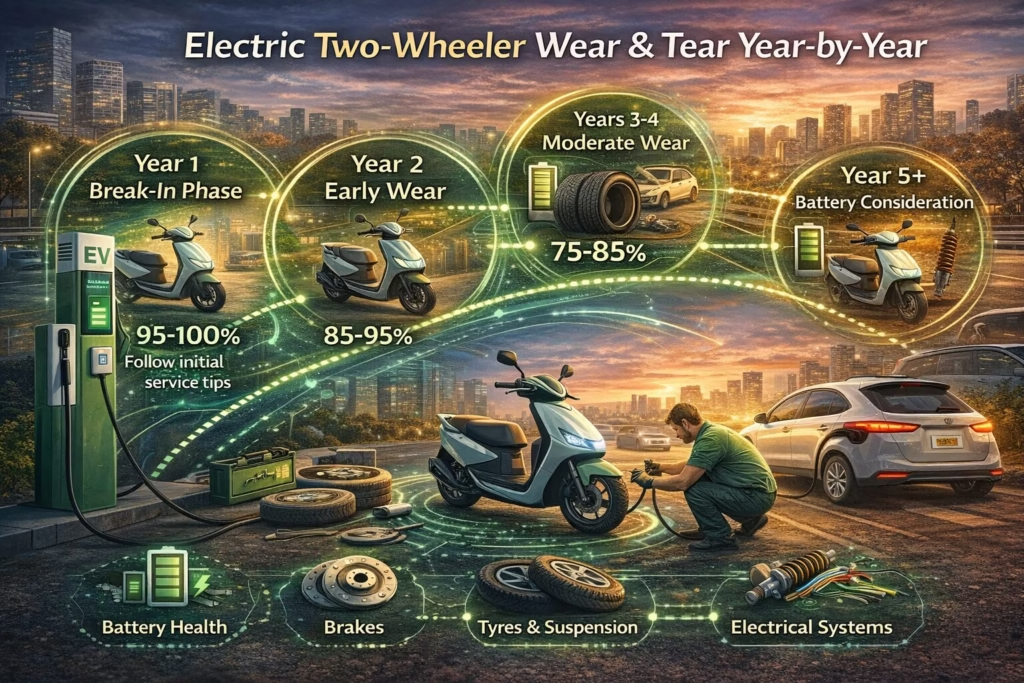
Year 1 – Break-In Phase
What changes:
- Minor settling in of suspension and tyre grip
- Battery initial degradation is usually minimal
- Electronics (displays, lights, wiring) perform as designed
Maintenance focus:
- Follow manufacturer service schedules
- Check tyre pressure regularly
- Avoid extreme charging habits that stress the battery
Typical issue rate: Very low; EVs are usually reliable in the first year.
Year 2 – Early Wear Signs Appear
What changes:
- Tyres show measurable wear from regular use
- Brake pads may begin to thin
- Battery capacity may show slight decline under heavy use
Why this happens:
EV batteries naturally lose a small portion of capacity with each charging cycle, influenced by charging habits and climate conditions.
Maintenance Tips:
- Balance tyres, inspect brakes quarterly
- Keep battery charge levels between 20% and 80% for best longevity
- Avoid frequent deep discharges
Year 3 to Year 4 – Moderate Wear
Battery:
Battery degradation becomes more noticeable. The typical lifespan of EV batteries in scooters is about 3–5 years with normal use before replacement may be advisable.
Tyres & Brakes:
Tyres often need replacement depending on road surfaces and rider weight; brake pads may require replacement more frequently with heavier traffic use.
Electrical Components:
Lights, indicators, and dashboard electronics may need attention as seals and connectors age.
Year 5+ – Battery Consideration & Significant Component Wear
Battery Replacement:
By around the third to fifth year, many two-wheelers may require a battery replacement to restore range and performance — a cost that can range significantly but is often the most substantial maintenance expense for a used EV.
Chassis & Suspension:
Regular road conditions in India can be rough on suspension components. Shock absorbers may need servicing or replacement depending on usage and load.
Electrical System:
Exposure to dust and moisture over years can affect exposed wiring and sensors. Regular inspection helps manage small issues before they worsen.
Common Wear & Tear Areas to Monitor
Battery Health
EV batteries do degrade gradually due to charge cycles. Typical lithium-ion batteries in scooters handle around 800–1,500 cycles — which translates to several years of daily commuting before performance drops significantly.
Signs of battery wear:
- Reduced range per charge
- Slower acceleration
- Longer time to fully charge
Battery health typically affects overall ride quality more than mechanical components.
Tyres and Suspension
Indian road conditions vary widely, and tyres take a beating, especially in cities with potholes and uneven surfaces.
Expect:
- Tyre replacement every 12,000–15,000 km (approx.)
- Suspension servicing more often in heavily used urban scooters
Keeping tyres at recommended pressure and quality tread helps extend life and maintain safety.
Brakes
Even though regenerative braking reduces overall brake wear, brake pads and discs still wear over time through normal use. Inspect them regularly in later years.
Electrical & Dashboard Components
Wiring in connectors, switches, and display units may loosen or wear from vibration and heat over time. Keeping these clean and serviced prevents intermittent faults.
Maintenance Cost Expectations
Electric two-wheelers generally cost less to maintain than petrol models, with typical routine servicing often ranging around ₹1,000–₹2,500 per year in India. Battery replacement — usually after several years — can be the most expensive component, ranging between ₹18,000 and ₹28,000 depending on battery size and brand.
Tips to Slow Wear & Tear
1. Follow Optimal Charging Practices
Keep the battery between moderate charge levels and avoid frequent deep discharges to prolong battery health.
2. Use Manufacturer-Approved Chargers
Third-party chargers can cause battery stress and electrical issues over time.
3. Regular Cleaning and Inspection
Minimize dirt and moisture exposure to electrical parts to reduce corrosion and connector issues.
4. Smooth Riding Habits
Gentle acceleration and braking reduce strain on mechanical parts and extend tyre and brake life.
Frequently Asked Questions
Do electric two-wheelers last shorter than petrol bikes?
EVs have fewer moving parts, so mechanical breakdowns are less common. However, batteries naturally age and may need replacement in a few years, which is different from petrol engine maintenance patterns.
What is the biggest wear component?
The battery is the highest-cost wear item due to natural degradation over time — typically noticeable after 3–5 years.
Is maintenance cheaper for EV scooters?
Yes — annual maintenance is usually lower than petrol scooters since there’s no engine service, oil changes, or filters.
Summary
Electric two-wheelers generally experience less mechanical wear than petrol scooters because of fewer moving parts, but some components still age significantly over time. Tyres, brakes, suspension, electrical systems, and especially battery health are the main areas that require attention over the years.
Expect a noticeable drop in battery performance after about 3–5 years, with the possibility of replacement being the largest future cost. Prioritising regular maintenance, optimal charging practices, and gentle riding habits can slow wear & tear and prolong your EV’s useful life, making your electric ride a reliable and cost-effective companion on Indian roads.