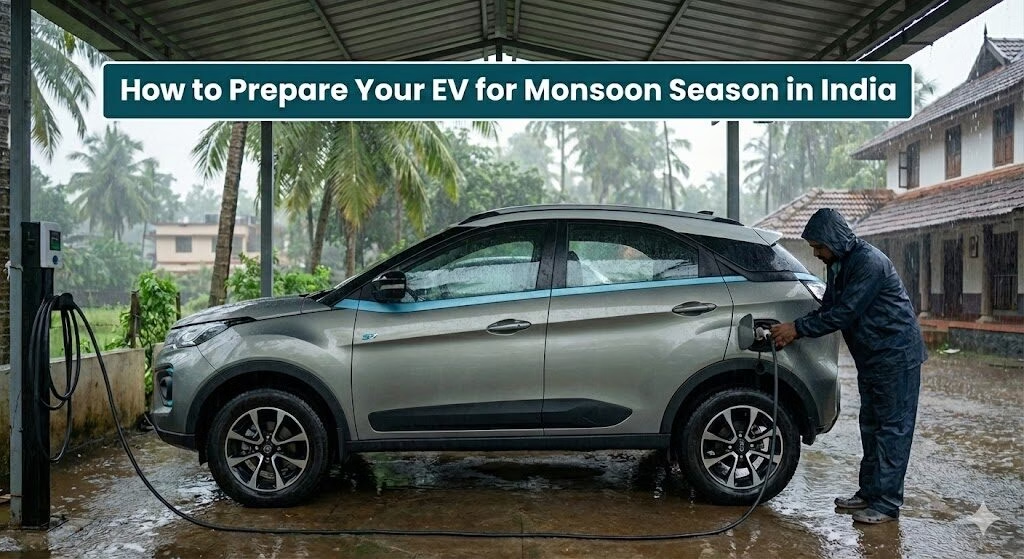
The monsoon season in India brings relief from the scorching heat but also presents unique challenges for vehicle owners. For electric vehicle owners, questions like “Is EV safe in the rain?” and “How to charge an EV car when it rains? “How to prepare EV for monsoon season?” become particularly important. Proper preparation can protect your investment and ensure safe driving through the rainy season.
This comprehensive guide covers everything you need to know about monsoon-proofing your electric vehicle, from charging safety to long-term battery care.
Understanding EV Safety in Rain: Is EV Safe in the Rain?
Let’s address the most common concern first: Is EV safe in the rain?
The answer is a resounding yes – when proper precautions are taken. Modern electric vehicles are designed with extensive water protection measures:
IP Ratings Explained:
- IP67 Standard: Most EVs meet IP67 rating, meaning they’re dust-tight and can withstand immersion in 1 meter of water for 30 minutes
- Battery Protection: EV batteries are sealed in waterproof casings
- Electrical Systems: High-voltage components have multiple insulation layers
Real-World Safety:
- EVs undergo rigorous water-ingress testing
- Electrical systems automatically shut down during short circuits
- You can safely drive through water up to specified levels (check your owner’s manual)
Monsoon Charging Safety: How to Charge an EV Car When it Rains?
How to charge an EV car when it rains safely requires understanding some fundamental principles:
Home Charging During Rain:
- Use Covered Parking: Always charge under shelter
- Check Cable Integrity: Inspect charging cables for damage before use
- Keep Connections Dry: Use waterproof covers for outdoor sockets
- Elevate Equipment: Keep chargers above potential water levels
Public Charging Precautions:
- Choose Covered Stations: Prefer shopping malls or covered parking
- Inspect Equipment: Check for visible damage before plugging in
- Use Manufacturer-Approved Cables: Avoid third-party accessories
- Report Issues: Inform station operators about any safety concerns
Emergency Measures:
- If caught in heavy rain while charging, don’t unplug with wet hands
- Wait for rain to subside or use protective gear
- Never use damaged charging equipment
Battery Care: What is the 80% Rule for EV?
Understanding what is the 80% rule for EV is crucial for long-term battery health, especially during monsoon:
The 80% Rule Explained:
- Charge your battery only up to 80% for daily use
- Reserve 100% charging for long trips
- Avoid letting battery drop below 20%
Why It Matters in Monsoon:
- Reduced Stress: Partial charging reduces battery degradation
- Better Efficiency: Maintains optimal performance in humid conditions
- Longer Lifespan: Extends battery life through careful cycling
Monsoon-Specific Tips:
- Charge more frequently but to lower levels
- Avoid immediate charging after driving through heavy rain
- Let the vehicle dry before plugging in
Complete EV For Monsoon Preparation Checklist
Pre-Monsoon Inspection
- Battery Health Check:
- Verify battery sealing integrity
- Check for warning lights
- Update battery management software
- Electrical System:
- Inspect charging port cover
- Check cable insulation
- Test all electrical functions
- Exterior Protection:
- Apply ceramic coating for paint protection
- Check windshield wiper condition
- Ensure proper door seal integrity
Driving During Monsoon
- Route Planning:
- Avoid waterlogged areas
- Check charging station availability
- Have backup charging options
- Driving Techniques:
- Use regenerative braking carefully
- Maintain steady speeds through water
- Avoid sudden acceleration
- Emergency Preparedness:
- Keep manufacturer helpline number handy
- Have waterproof covers for charging equipment
- Maintain breakdown contact information
Long-Term Considerations: What Happens to EV After 5 Years?
Understanding what happens to EV after 5 years helps in making informed decisions about monsoon care:
Battery Degradation:
- Typical capacity loss: 10-20% over 5 years
- Proper monsoon care can minimize degradation
- Battery warranty usually covers this period
Component Longevity:
- Electrical systems remain robust with proper care
- Charging equipment may need replacement
- Software updates maintain performance
Resale Value Impact:
- Well-maintained EVs command better prices
- Service history becomes crucial
- Battery health certificate adds value
Maintenance Schedule for Monsoon Season
Weekly Checks:
- Inspect charging port and cables
- Check tire pressure and tread depth
- Clean vehicle underside to prevent corrosion
Monthly Maintenance:
- Professional electrical system inspection
- Battery health diagnostic
- Software updates installation
Post-Monsoon Care:
- Thorough cleaning and detailing
- Professional inspection for water damage
- Battery performance verification
Common Monsoon Problems and Solutions
Problem 1: Reduced Range
- Cause: Increased air resistance, accessory use
- Solution: Plan for 10-15% range reduction, charge more frequently
Problem 2: Charging Anxiety
- Cause: Limited covered charging options
- Solution: Identify sheltered stations in advance, invest in home charging solutions
Problem 3: Electrical Glitches
- Cause: Humidity affecting sensors
- Solution: Regular software updates, professional cleaning
Advanced Protection Measures
For Home Charging Setup:
- Install waterproof outdoor charging point
- Use surge protectors
- Consider dedicated circuit with proper grounding
For Vehicle Protection:
- Apply anti-corrosion coating
- Install mud flaps
- Use seat covers and floor mats
For Emergency Situations:
- Keep manufacturer emergency numbers
- Have access to mobile charging services
- Maintain insurance with roadside assistance
Technology Aids for Monsoon Driving
Mobile Applications:
- Real-time weather updates
- Charging station availability
- Route planning with elevation data
Vehicle Features:
- Rain sensing wipers
- Traction control systems
- Water ingress warning systems
Smart Charging Solutions:
- Weather-aware charging scheduling
- Remote charging monitoring
- Automatic shutdown during electrical faults
Cost Considerations
Preventive Maintenance Costs:
- Professional inspection: ₹2,000-₹5,000
- Protective coatings: ₹5,000-₹15,000
- Emergency equipment: ₹1,000-₹3,000
Potential Savings:
- Avoided repair costs
- Maintained resale value
- Consistent performance
Conclusion: Confidence Through Preparation
Preparing your electric vehicle for monsoon doesn’t require extraordinary measures – just consistent, informed care. By understanding how to charge an EV car when it rains, following the 80% rule for EV, and implementing proper maintenance routines, you can ensure your EV remains safe, efficient, and reliable throughout the rainy season.
Remember that answering “Is EV safe in the rain?” with confidence comes from proper preparation. Regular maintenance and smart charging practices will protect your investment and ensure you enjoy all the benefits of electric mobility, regardless of the weather.
Start your monsoon preparations today, and drive with peace of mind through the rainy season.
Frequently Asked Questions (FAQs)
Q1: Can I charge my EV in an open parking during light rain?
While EVs are designed with safety features, it’s always recommended to charge under cover. If you must charge in light rain, ensure all connections are dry before plugging in and use manufacturer-approved equipment.
Q2: How does the 80% charging rule help during monsoon?
The 80% rule for EV reduces stress on the battery, which is particularly beneficial during monsoon when humidity and temperature fluctuations can affect battery performance. It helps maintain long-term battery health.
Q3: What should I do if my EV gets partially submerged?
Immediately turn off the vehicle and do not attempt to start it. Contact your manufacturer’s emergency service for professional assistance. Do not charge the vehicle until it has been professionally inspected.
Q4: How much range reduction should I expect during heavy rain?
Typically, you might see a 10-20% reduction in range due to increased rolling resistance, use of wipers, lights, and climate control. Plan your trips accordingly and charge more frequently during monsoon.
Q5: Is it safe to use public fast chargers during rain?
Yes, public fast chargers are designed for outdoor use and have safety mechanisms. However, prefer covered charging stations when available, and always report any visible damage to charging equipment before use.