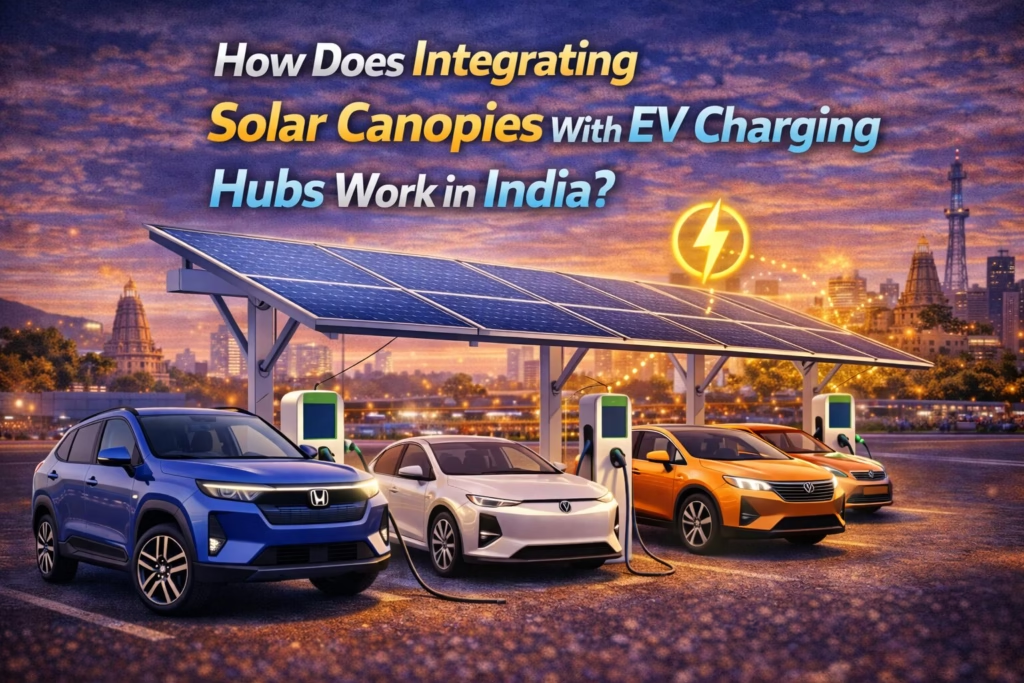
As electric vehicles become mainstream, powering them sustainably is now a key focus for cities and businesses. One powerful solution is the solar based electric vehicle charging station—where solar panels generate clean energy that directly fuels EV chargers. Cities like Chandigarh are pioneering projects that combine solar generation with EV charging infrastructure, setting a model other cities can follow. This blog explains how solar-powered charging stations work, their costs, real applications, and how you can approach building a solar charging station business in India.
What Is a Solar-Based Electric Vehicle Charging Station?
A solar based electric vehicle charging station uses electricity generated from sunlight to charge electric vehicles. Solar panels convert sunlight into DC electricity, which is then conditioned (via inverters) and delivered to the EV charger. This setup can be:
- Grid-connected with net metering: Uses solar power first and draws from the grid when solar is insufficient.
- Off-grid with battery storage: Stores excess solar in batteries and supplies charging even when sunlight is not available.
- Hybrid (solar + grid + battery): Offers flexibility and reliability for public or commercial use.
Solar EV charging stations reduce dependence on grid electricity, cut emissions, and stabilize long-term energy costs for operators and EV owners.
How Do Solar-Powered Charging Stations Actually Operate?
Here’s a simplified energy flow:
- Solar PV panels capture sunlight and produce DC power.
- An inverter converts DC into AC suitable for EV chargers and local loads.
- The EV charger draws AC to charge the vehicle’s battery.
- Excess solar power can be stored in batteries or exported to the grid.
This means EV users charge vehicles directly with renewable energy, significantly lowering the carbon footprint compared to grid-only charging — especially in regions where grid electricity is sourced from thermal power plants.
Why Integrate Solar Canopies With EV Charging Hubs?
Solar canopies provide multiple advantages:
- Utilize parking real estate: Panels installed above parking spaces capture sunlight while providing shade.
- Reduce charging costs by generating energy where it’s used.
- Ensure energy independence from fluctuating grid prices.
- Enhance sustainability goals for businesses or city planners.
In this way, solar EV charging stations become more than just chargers—they become clean energy generators.
How Much Does a Solar EV Charging Station Cost in India?
The cost of solar EV charging station projects can vary widely based on size, type of charger, and whether batteries are included. Approximate ranges include:
| Component | Estimated Cost (₹) |
|---|---|
| Solar panels (5–10 kW) | ₹2.5 lakh – ₹5 lakh |
| Level 2 AC charger | ₹50,000 – ₹1 lakh |
| DC fast charger | ₹5 lakh – ₹15 lakh |
| Inverter & electrical gear | ₹1 lakh – ₹2 lakh |
| Battery storage (optional) | ₹2 lakh – ₹6 lakh |
| Indicative costs — actual prices depend on brands, capacity, and site conditions. |
Once solar panels are in place, the per-unit (per kWh) electricity cost can drop to around ₹2.5–₹3, compared with grid electricity costs of ₹4–₹8 per kWh in many regions. This makes solar stations economically attractive long term.
Can a Solar Charging Station Be a Viable Business?
Yes. A solar charging station business can be profitable under the right conditions:
- High EV traffic (near highways, malls, workplaces)
- Solar incentives or subsidies from state/central programs
- Net metering arrangements to sell excess power back to the grid
- Partnerships with fleets or delivery services
In Chandigarh, solar EV charging hubs are generating substantial usage and revenue growth as EV adoption rises — from very early small revenues to substantial monthly figures — showing real demand.
Businesses can combine solar charging with additional services like battery swapping, convenience retail, or café spaces to boost revenue per visit.
What Is the Example of Solar EV Hubs in Chandigarh?
Chandigarh has embarked on a flagship solar project at its IT Park and other locations, integrating solar panels and EV charging infrastructure. A 500 kWp solar installation now powers EV charging and battery swapping for two- and three-wheelers and larger vehicles, supported by battery storage to ensure continuous operation even when the sun isn’t shining.
The initiative also follows a financially viable model that engages private partners rather than relying purely on subsidies — demonstrating a scalable template for other cities.
Which Companies and Manufacturers Support Solar + EV Charging Infrastructure?
🔆 Solar Solution Providers and EPC Partners
- Solex Energy Pvt Ltd – A leading solar module manufacturer and EPC provider in Gujarat specializing in PV modules and turnkey solar systems, including solar carports suitable for EV charging hubs.
- Vikram Solar – One of India’s largest solar panel manufacturers with multi-GW module capacity and EPC services, capable of supporting large solar charging station projects.
- Saatvik Green Energy – A major solar PV manufacturer and EPC company with high production capacity and projects spanning multiple sectors in renewable energy.
- Servotech Renewable Power Systems – Offers solar EPC services and system design expertise that can be adapted for EV charging integration.
In addition to these, numerous solar EPC catalogues from manufacturers and distributors provide details on PV panels, inverters, mounting structures, and complete systems designed for commercial and public installations.
What About Solar Panel Manufacturers in Surat?
Surat — a major industrial hub — houses solar companies like Solex Energy that manufacture advanced photovoltaic (PV) modules and support EPC services. Being close to manufacturing reduces logistics costs and improves customization options for solar EV charging projects.
What Are the Environmental and Cost Benefits of Solar EV Charging?
Benefits include:
- Significantly lower CO₂ emissions compared with grid charging sourced from fossil fuels.
- Reduced electricity costs over the system’s life (solar panels typically have life spans of 25 years or more).
- Energy independence and price stability even as grid tariffs change.
- Positive branding for businesses adopting renewable energy infrastructure.
Operational solar EV charging stations also reduce peak load strain on the grid and support wider EV adoption by offering clean energy fueling options.
What Are the Practical Challenges?
As with any infrastructure project, challenges include:
- Higher upfront investment compared to traditional grid-tied chargers.
- Space requirements for solar canopies or panel arrays.
- Need for battery storage if continuous round-the-clock solar supply is targeted.
- Coordination with grid and net-metering regulations.
However, long-term financial returns, environmental benefits, and growing EV demand are making such projects increasingly compelling.
Summary
Integrating solar canopies with EV charging hubs combines clean energy generation with sustainable transportation infrastructure. Solar arrays power EV chargers directly, cutting operational costs and carbon emissions. Public projects like those in Chandigarh show how solar-powered charging stations can be deployed at scale, supported by companies like Solex Energy Pvt Ltd, Vikram Solar, and Saatvik Green Energy, who provide PV modules and EPC expertise.
Though initial investment in solar EV charging infrastructure — including solar based electric vehicle charging station components and battery storage — can be significant, long-term energy savings, subsidies, and business opportunities make this model increasingly attractive for cities, businesses, and EV advocates.